How the Meaning of Vape Changed as the Category Grew
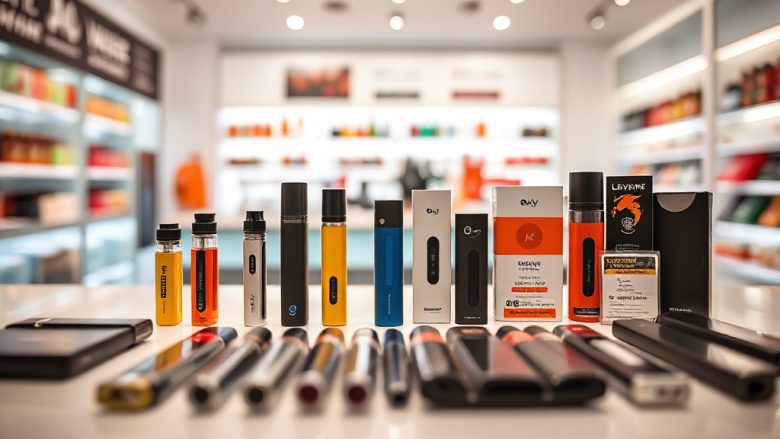
Walk into any shop in Nairobi that sells nicotine products and ask for a vape. You might be handed a slim, sealed disposable that lasts a day, a refillable pod kit with a bottle of e-liquid, or a box mod the size of a small phone. All three are called vapes. They share a word, but almost nothing else — not price, not lifespan, not how you use them. So how did one term come to cover products that barely resemble each other, and what does that mean for anyone trying to understand the vape pen price in kenya today?
The short answer is that the word widened as the market segmented. In Kenya, that widening is visible in retail labelling, in the way shops group devices on shelves, and in the prices attached to each category. This feature traces that shift, looks at how labelling works in practice, and closes with what the changing meaning means for buyers comparing costs.
The early meaning: a pen-shaped device and a single price band
When vaping products first reached Kenyan shelves, the dominant form was a slim, cylindrical device that looked like a pen. The name stuck because the shape did. Early buyers understood a vape as a battery, a heating element and a cartridge, usually refillable, sold as one kit with a charger.
That narrow meaning kept pricing simple. A shopper asking about the vape price in kenya was effectively asking one question about one product type. Retailers could quote a single figure because there was little variation in form. The word described a device, and the device described a price.
Two things changed that. First, disposable devices arrived, sealed and pre-filled, sold cheaply and thrown away when empty. Second, pod kits and larger mods split the refillable category into distinct tiers. The word vape no longer pointed to one object. It pointed to a family.
A timeline of how the word expanded
The shift did not happen overnight, and it did not happen in the same order everywhere. In Kenya, the sequence roughly followed the global pattern but with local timing shaped by import patterns and shop-level demand.
Stage one: pen-style kits define the term
In this stage, vape meant a refillable pen device. Shops stocked coils and bottles alongside the hardware, and buyers learned the vocabulary of wattage, resistance and refilling. Price conversations centred on the kit plus ongoing liquid costs.
Stage two: disposables stretch the word
Sealed disposables introduced a product with no refilling, no coils and no maintenance. The word vape now covered something you could buy, use and discard. Pricing split into a low entry point for single devices and a higher one for multi-packs.
Stage three: pod kits and mods fragment the middle
Pod kits combined the convenience of disposables with refillable liquid. Larger mods served buyers who wanted more control. Each sub-category developed its own price band, and the single question about vape cost became a set of questions.
Stage four: the word becomes a category label
Today, vape functions as an umbrella term in retail. It labels a shelf, not a single product. That is why a shopper searching for a vape shop near me may find a store that sells disposables, pods, liquids and accessories under one roof, with prices spanning a wide range.
What the word means in Kenyan retail labelling today
In practice, Kenyan retailers use the word in three overlapping ways. Understanding which meaning applies helps buyers compare like with like.
- Device category: vape refers to the hardware — disposable, pod kit or mod.
- Activity: vape refers to the act of using such a device, which is why people ask what is the meaning of vape when they encounter the term in conversation.
- Product line: shops use vape as a prefix for liquids, coils and accessories, as in vape juice or vape pods.
This overlap is not unique to Kenya, but it is pronounced here because many shops serve both walk-in and online customers, and online listings compress product descriptions into short labels. A single word has to do a lot of work.
A labelling case study: one word, four price conversations
Consider how the same word plays out across four typical retail scenarios in Nairobi. Each begins with a shopper asking about vape cost, and each ends with a different answer because the underlying product differs.
Scenario one: the disposable buyer
A buyer wants a sealed device with no maintenance. The price conversation is about unit cost and how long the device lasts. The word vape here means a consumable, not a durable product. Shops often display these near the counter because the purchase decision is quick.
Scenario two: the pod kit buyer
A buyer wants something refillable but simple. The conversation now includes the kit price plus the cost of liquid and replacement pods. The word vape covers hardware and consumables together, which is why a single figure rarely tells the whole story. meaning of vape
Scenario three: the liquid buyer
A buyer already owns a device and needs vape flavours and nicotine strengths. Here the word vape refers to the liquid, not the hardware. Price depends on bottle size and strength, and the conversation shifts to ongoing cost rather than upfront cost.
Scenario four: the accessory buyer
A buyer needs coils, pods or a charger. The word vape now labels accessories. This is the category where the meaning has drifted furthest from the original pen-shaped device, because accessories are not devices at all.
In all four scenarios, the shopper used the same word. The retailer had to interpret it. That interpretive step is where confusion about vape meaning becomes practical rather than academic.
Why the meaning shift matters for price comparisons
When a word covers multiple product types, price comparisons go wrong in predictable ways. A shopper compares a disposable unit price with a pod kit price and concludes one is cheaper, without accounting for how long each lasts or what consumables are needed.
The better approach is to compare within categories. Disposables should be compared with disposables, kits with kits, and liquids by volume and strength. This is the same logic used in any mature retail category, and it is the reason a vape shop that labels products clearly saves buyers time.
Retail labelling also affects how shops present elf bar and similar branded disposables, which are often grouped separately from generic devices. The brand name becomes a sub-label under the wider vape umbrella, adding another layer to the word’s meaning.
How to read prices when the word is ambiguous
Buyers can cut through the ambiguity with a short checklist. It does not require technical knowledge, only a habit of asking what is included.
- Ask whether the price covers a device, a liquid, or both.
- Ask how long the product is expected to last under normal use.
- Ask whether replacement parts or refills are needed and what they cost.
- Ask whether the price is for a single unit or a pack.
These four questions turn a vague query about how much is vape in kenya into a specific comparison. They also reveal why two shops can quote different figures for what sounds like the same product.
For online buyers, the same checklist applies. A listing that states device type, contents and consumable requirements is easier to compare than one that uses vape as a catch-all term. Shops that serve vapes nairobi customers online tend to invest in clearer listings because returns and support questions are costly otherwise.
The closing analysis: a category word, not a product word
The meaning of vape changed because the category matured. What began as a description of a pen-shaped device became a label for a family of products with different forms, lifespans and cost structures. That is normal in retail: words like phone and watch went through the same expansion.
For Kenyan buyers, the practical consequence is that price questions need a second clause. Not just how much is a vape, but which kind. Shops that understand this — and label accordingly — make the comparison easier. Buyers who understand it make better decisions.
The word is unlikely to contract again. Disposables, pods, mods and liquids will keep sharing the label, and retail will keep adapting. What matters is recognising that the label is a starting point, not a specification. A shopper looking for vape in kenya should treat the word as an invitation to ask one more question, and then another, until the price on the tag matches the product in hand.
That habit is the real takeaway from the word’s evolution. The category grew, the meaning widened, and the buyer’s job became slightly more precise. Shops that support that precision — through clear labelling, honest ranges and accessible vape shops nairobi shoppers can visit or order from — turn an ambiguous word into a usable one.
Frequently asked questions
Does vape mean the same thing in every Kenyan shop?
Mostly, but not always. Some shops use vape to mean the device, others to mean the liquid, and some use it as a general category label. Asking what is included in the price resolves the difference quickly.
Why do two shops quote different prices for what sounds like the same vape?
Because the products may differ in type, contents or consumables. A disposable and a pod kit are both called vapes but have different cost structures. Compare within the same product type for a fair comparison.
Is the word vape used for accessories too?
Yes. Coils, pods and chargers are often labelled as vape accessories. This is the furthest the word has drifted from its original device meaning, and it is why reading the product description matters.
How can I find a shop that labels vape products clearly?
Look for listings that state device type, what is included and whether refills or replacements are needed. A vape near me search will surface local options, and clear labelling is usually visible in the product descriptions.